AI voice agents are programs that answer or make phone calls and talk in a natural voice. They handle short, predictable calls well. They struggle with noise, interruptions, strong emotions and anything off the script. We don't build them, so this is an honest guide.
What are AI voice agents?
AI voice agents are programs that listen to a caller, understand the words and answer in a spoken voice, like a very patient receptionist.
Say a physiotherapy clinic gets calls all day asking for appointment times. A voice agent picks up, asks what the caller needs, checks the diary and offers a slot. The caller just talks, as they would to a person.
Under the hood, three things happen. The speech is turned into text, the AI works out what to say, and the answer is turned back into a voice. Each step can go wrong, which is why the quality of the call can swing from smooth to awkward.
One honest note before we go on. We don't build phone or voice agents. We build AI employees that work inside email, sheets and accounts. We still think you should know how voice agents work, so you can judge them fairly.
What do they do well?
They do well on short, predictable calls where the caller wants one simple thing and the answer is in a list.
A garage that gets many calls like 'Are you open on Saturday?' or 'Is my car ready?' is a good match. The questions repeat, the answers are plain, and the caller is not upset.
Even in these friendly cases, give callers an easy way out. 'Press nine to speak to a person' is a small sentence that protects your reputation.
Good jobs for a voice agent tend to look like this:
- Opening hours, directions and simple facts.
- Booking, moving or cancelling an appointment.
- Taking a message when nobody is free.
- Reminder calls with a yes or no answer.
- Sorting callers so the right person picks up.
Where do they fall short?
They fall short whenever a call goes off the script, because a voice can't be re-read and a wrong answer is already out.
Picture a restaurant owner's phone on a Friday evening. A caller with a loud street behind them, a strong accent and a long story wants to change a booking for a party. A human would ask a few gentle questions. A voice agent may mishear the date and confirm the wrong one with total confidence.
Voice also has no undo button. In an email, you can reread a draft. On a call, once the words are out, the caller has already heard them and may have acted on them.
Keep in mind that a voice agent is only as good as the script behind it. If the answers it is given are out of date, it will state old opening hours or prices with a perfectly calm voice.
Watch for these weak spots:
- Noise, bad lines and strong accents.
- People talking over the agent or changing their mind.
- Upset, worried or angry callers.
- Long or unusual requests.
- Spelling out names, emails and numbers.
- Anything legal, medical or financial that needs care.
Would your calls suit a voice agent?
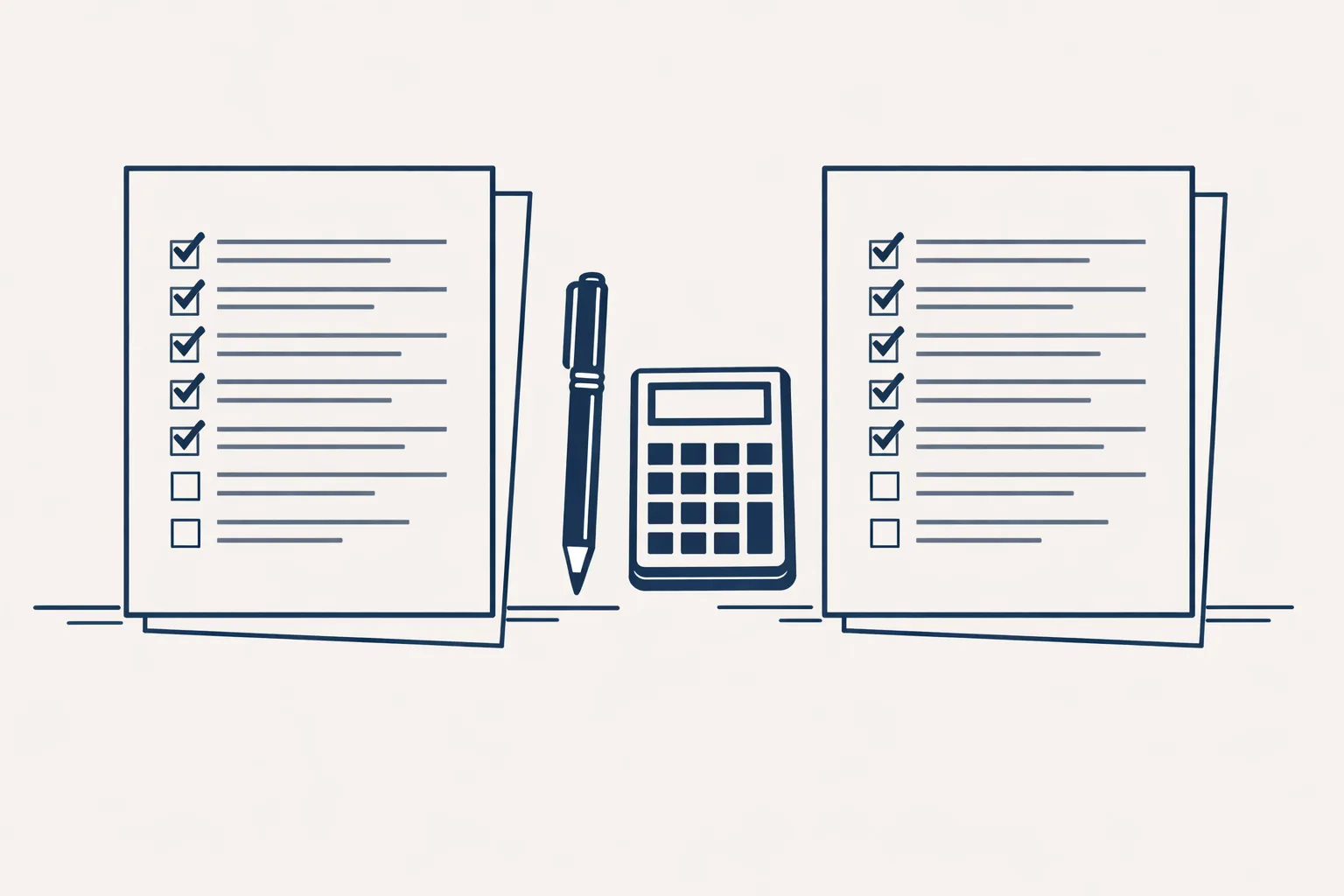
Tick each statement that is true for your calls. The more you tick, the better the match. This is a rough guide only.
What about rules and trust?
Calls come with rules: many places require you to say a caller is talking to an AI and to ask before recording.
Say a small accountancy practice wants to record calls to keep a note. The rules on recording and consent differ between countries and sometimes between regions. A voice agent that doesn't tell callers what it is can also lose their trust fast.
Before you use one, check what the law says where your callers are. Ask your adviser if you're unsure. Also decide how a caller reaches a real person, and make that easy and quick.
How do you test a voice agent fairly?
Test it with your hardest calls, not your easiest, and listen to every one.
A wholesaler could pick ten past calls, including a loud one, an angry one and a confusing one, and have the agent handle each. Then someone listens to the results.
Do this test twice, once at the start and once a month later. Real callers are always more creative than the people who plan the test.
A short plan:
- Collect a mix of real past calls, including the awkward ones.
- List what a good result looks like for each.
- Run the agent on them, or on role-played copies.
- Listen to every call, start to finish.
- Count the mistakes and note how bad they are.
- Decide how a caller reaches a person, and test that too.
What can you do about calls without a voice agent?
You can often tame your phone load by fixing the questions behind the calls, so fewer people need to call.
Think of a plumber's firm that gets calls asking for a quote status. A short email update, sent when a quote goes out, can cut those calls. The same goes for delivery questions or invoice copies.
That's where we can help. We build AI employees that read incoming email, prepare drafts and keep your records tidy, inside Gmail, Google Drive, Google Sheets and Xero. Sales invoicing and supplier bills run today for clients. Drafted customer replies are built to order. You check the work and choose when a step goes automatic.
Use the checklist below to see how well your calls would suit a voice agent.
Questions
What are AI voice agents?
They are programs that answer or make phone calls and talk in a natural voice.
Can an AI voice agent replace a receptionist?
For simple, repeat calls it can help. For upset callers or tricky cases a person is still needed.
Are AI voice agents allowed to record calls?
Rules differ by country and region. Many places need you to tell callers they are talking to an AI and to ask before recording.
Do you build AI voice agents?
No. We don't run phone or voice agents. We build AI employees that work with email, sheets and accounts.
How do I test an AI voice agent?
Use your hardest real calls, not your easiest. Listen to each one from start to finish.
Tell us your workflow. We will build it around you.
Tell us what your busiest calls are about. Write to hello@thenewaiemployee.com and we'll tell you honestly whether email could take some of the load.
Talk to us Related service: Services