A good cold email subject line is short, plain and specific to the reader. It says what the email is about without tricks or shouting. Honest beats clever, because a trick may win an open and still lose the reply.
What makes a cold email subject line get opened?
A cold email subject line gets opened when it looks like it was written for one person and tells them, in a few words, why it matters to them.
Say a bakery owner sees two emails. One says "Amazing offer for your business!!!". The other says "Flour delivery for your Saturday rush". The second one looks like it's from a person who knows what a bakery does. That is the one that gets opened.
Most inboxes are crowded. People decide in a glance. The subject line gets that glance, and that's all it gets.
There is one more reader to think about: the mail program. Providers watch for words and tricks that spammers use, and they move such mail out of sight. A plain, honest line helps you stay in the inbox as well as win the open.
Your job is not to trick anyone into opening. Your job is to be the one email that looks relevant.
What are the simple rules?
Keep it short, plain, specific and honest. Four rules cover most of what works.
A short line fits on a phone screen. A plain line sounds like a person, not an advert. A specific line names something the reader cares about. An honest line matches what the email really says, because a mismatch costs you trust the moment they open it.
Small details count. A question mark can invite an answer. A place name can signal that you've looked at their business. A single word like "quick" can ease the feeling of a big ask. None of these is magic. They just sound like a person.
Here is the short version:
- Short: a handful of words, so it doesn't get cut off on a phone.
- Plain: everyday words, no hype, no capital-letter shouting.
- Specific: mention their trade, their place or their problem.
- Honest: the email must deliver what the line promises.
- Lower case is fine. It looks more like a note from a colleague.
What do good subject lines look like?
Good subject lines name the reader's world and ask a small question or make a small offer.
Here are a few for different trades, written the way a person would write them. Copy the pattern, not the words.
Notice that none of these lines sells anything. They open a door. The selling happens in the email itself, once the reader has decided you're worth two minutes.
Each one uses the reader's own situation:
- "A question about your weekend menu" (to a restaurant).
- "Quieter month-end for your shop" (from an accountant to a retailer).
- "Your van bookings, in one place" (to a plumber with a small team).
- "Saw your new showroom page" (to a furniture maker).
- "Fresh herbs, twice a week?" (to a café).
- "Is this the right person for deliveries?" (to a warehouse).
Does your subject line pass?
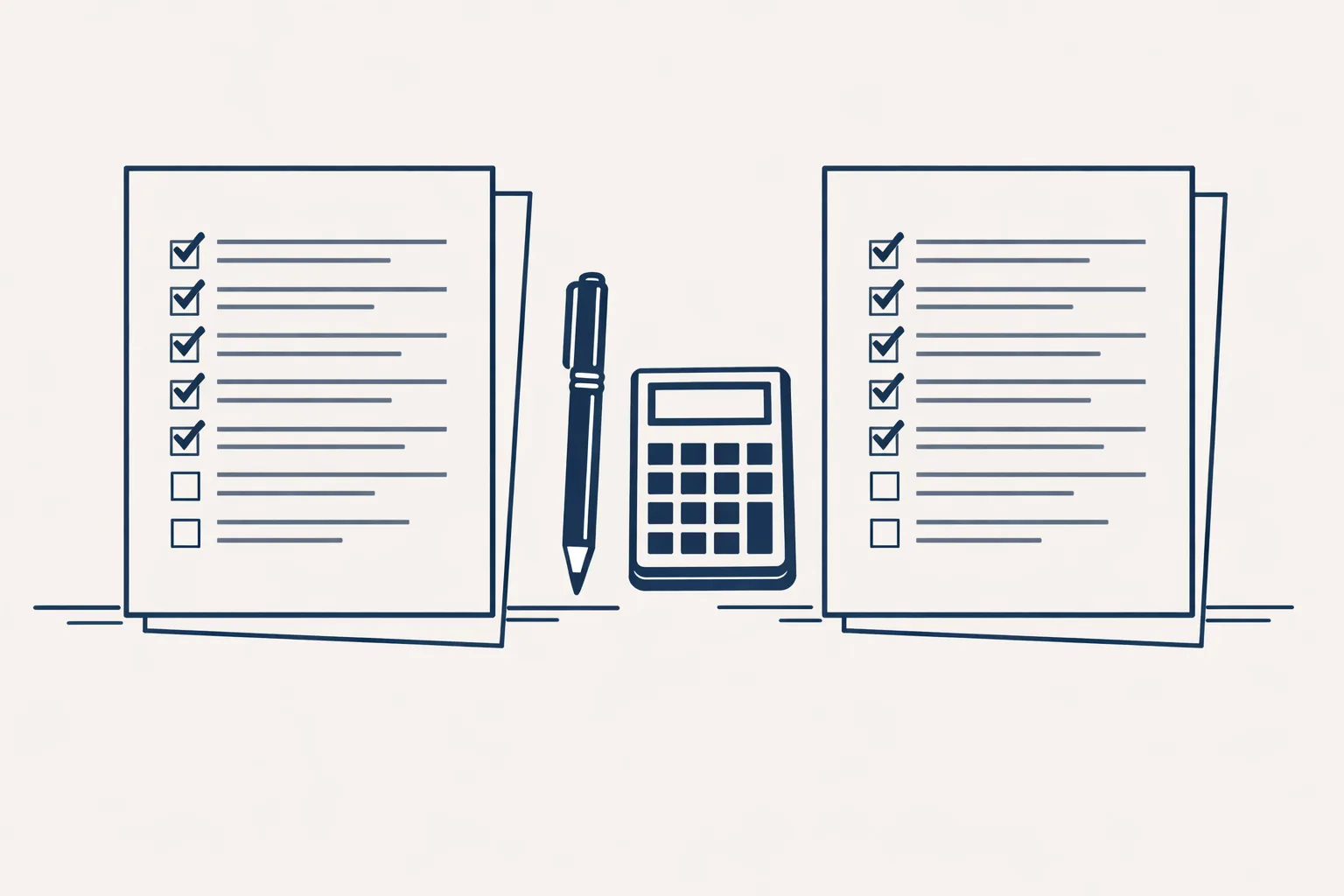
Read your subject line, then tick each line that is true. It works as a quick check before you send.
What should you avoid?
Avoid anything that pretends: fake replies, false urgency, made-up names and shouting.
A line like "Re: our call" when there was no call feels clever for a second. Then the reader feels fooled, and they won't write back. Worse, it can break the rules of email in many countries. It also harms your reputation with mail providers over time.
A subject line should also match the sender. If the name in the "From" box is a person, the line should sound like that person. A cold line from a faceless company name feels like an advert, whatever the words say.
Check these before you press send:
- No fake "Re:" or "Fwd:" to look like an old conversation.
- No "urgent" or "final notice" when it isn't.
- No capital letters and no string of exclamation marks.
- No promise the email doesn't keep.
- No reader's name stuffed in awkwardly. Use it only when it feels natural.
How do you test a subject line?
Test by comparing two lines on the same kind of reader and noticing which gets more opens.
A small supplier might send one line to half of a short list and another line to the other half. A week later it looks at which got more opens and, more importantly, more replies. Opens are only the first step.
Keep a note of every test. After ten or so, you'll see which kinds of lines your readers like. That knowledge is worth more than any list of lines from the internet.
A simple way to do it:
- Pick two lines that differ in one thing, like a question against a statement.
- Send each to a similar group of readers, a similar number.
- Wait for the same number of days for both.
- Count replies first, then opens.
- Keep the winner and test it against a new challenger next time.
- Stop if replies are low even when opens are high. The email itself needs work.
Where do we fit?
Subject lines are the visible part of outreach, but the work behind them matters more: a real list, a real reason to write and a way to say no.
On our own brand, lead lists are built only from public business sources, one recipient per email, an opt-out line in every email, follow ups on a fixed rhythm, and a stop on reply, bounce or "no thanks". For your business, that set-up is built to order.
Every step starts with your approval, then you choose when it goes automatic. Try the checklist below on any subject line you're about to send.
Questions
What is a good cold email subject line?
A short, plain line that names something about the reader and matches the email. Honest beats clever.
How long should a cold email subject line be?
Short enough to read in full on a phone, so a handful of words.
Should I use the reader's name?
Only if it feels natural. Forced names can look like a mass email.
Do questions work well?
Often, if the question is small and fits the reader's work. Avoid trick questions.
Can a subject line break the rules?
Yes. Fake replies or false urgency can mislead people and can break email rules in many countries. Check yours.
Tell us your workflow. We will build it around you.
Tell us who you write to and what you offer. Write to hello@thenewaiemployee.com and we'll say honestly whether we can help with the outreach.
Talk to us Related service: Lead lists and outreach